Gustav Klimt as a Collector
Passion and Inspiration
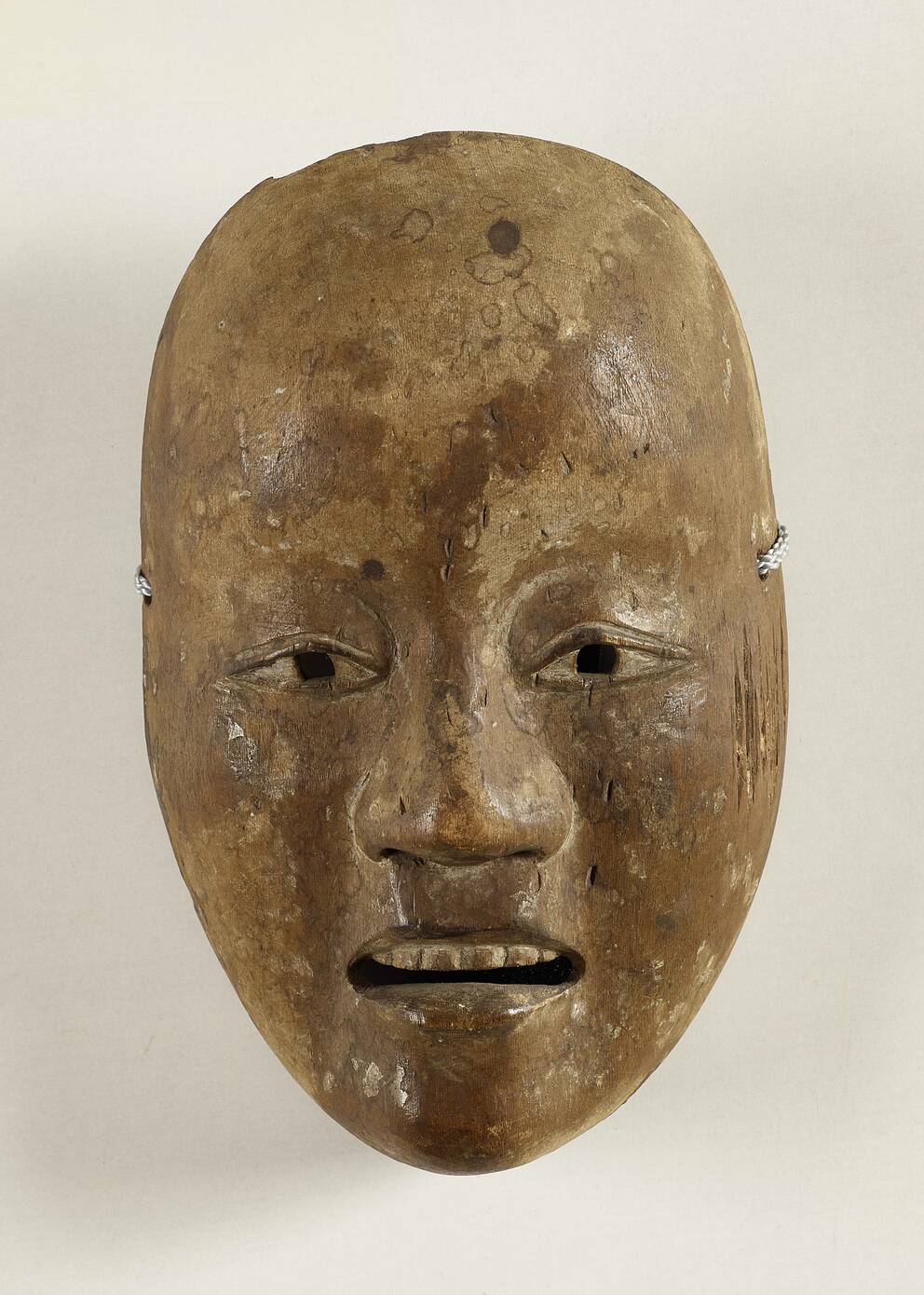
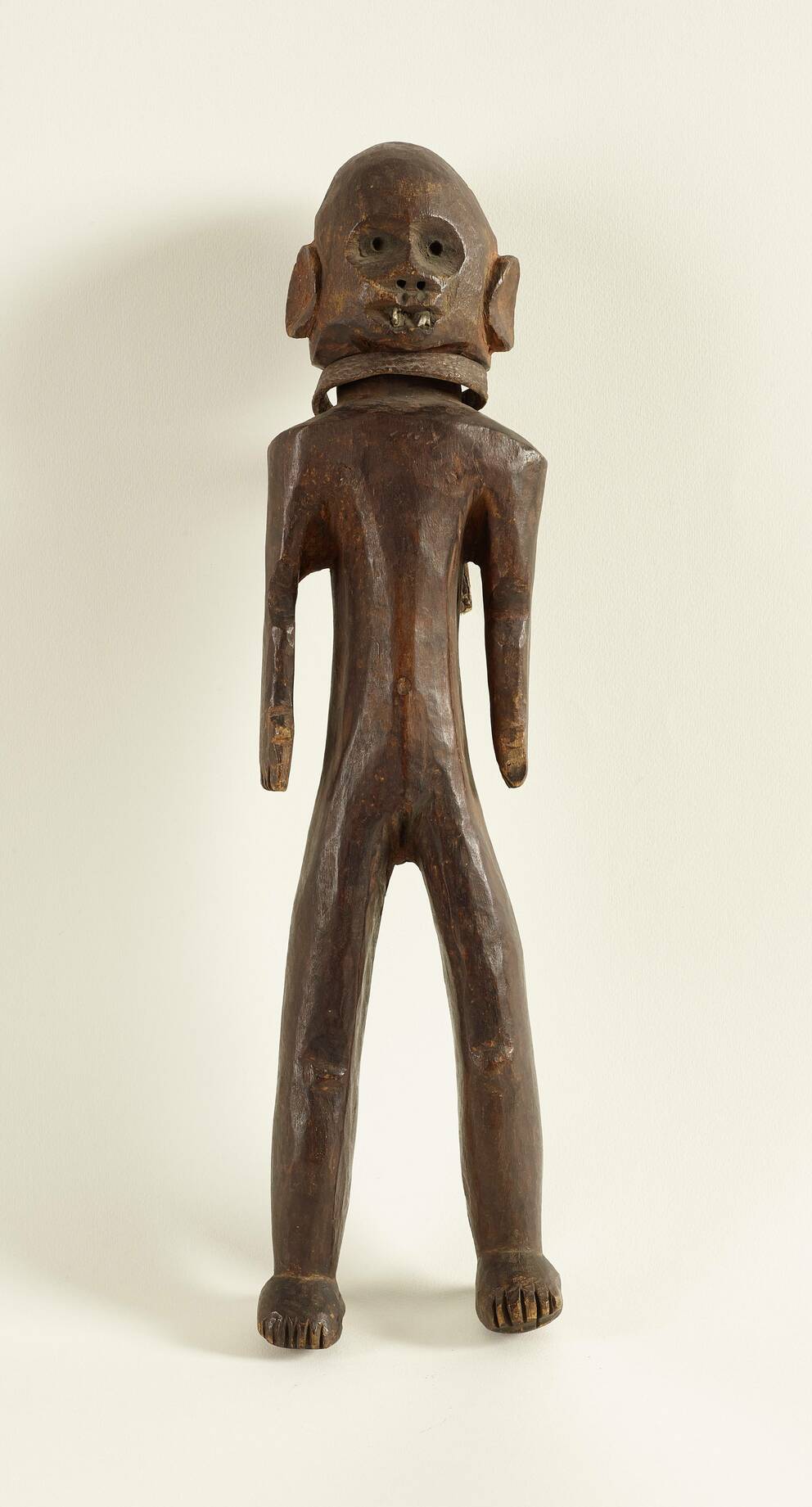
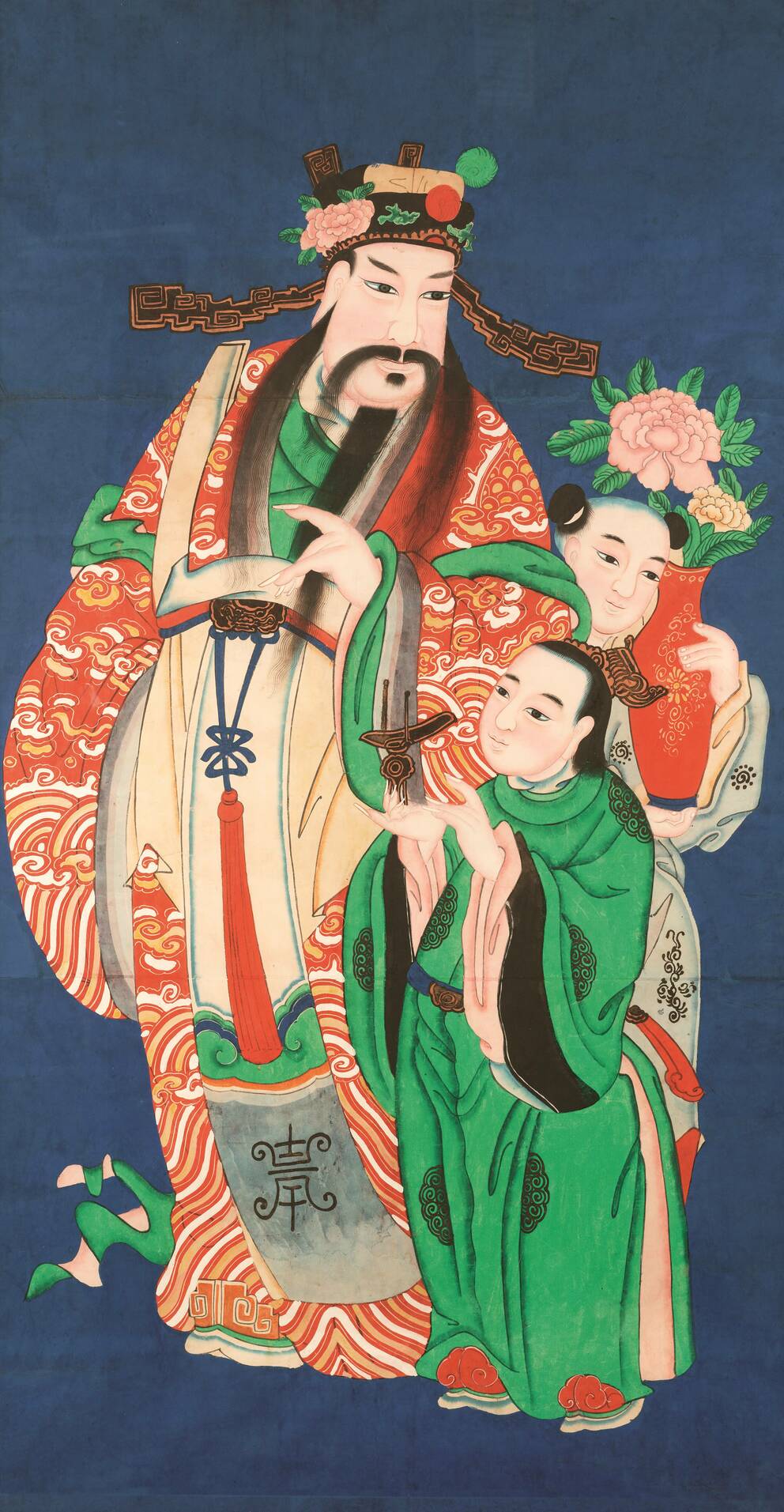
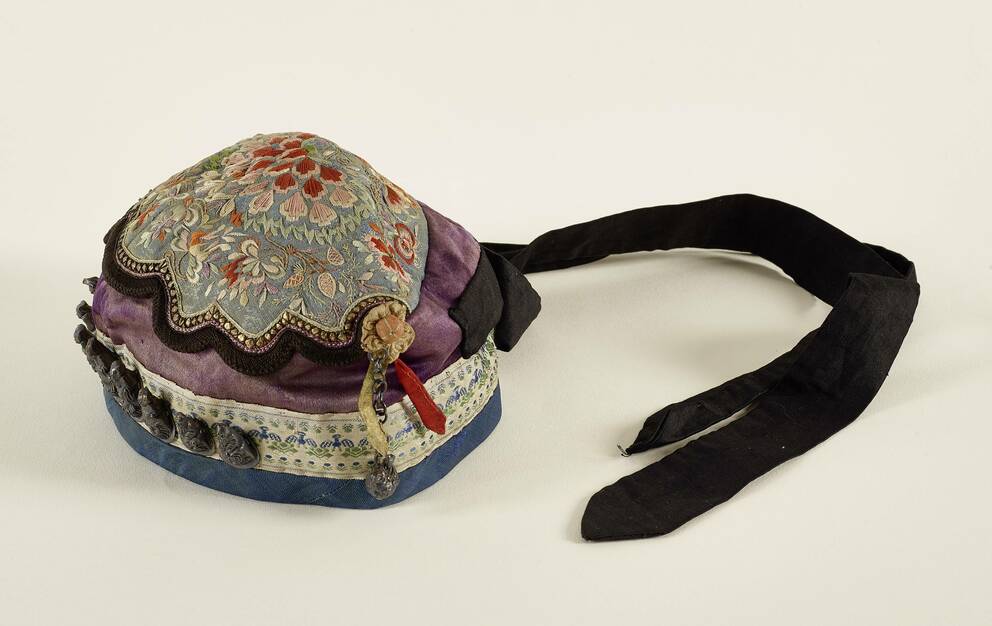
Like many of his fellow artists, Gustav Klimt (1862–1918) was also a collector of Japanese, Chinese, and African artefacts and artworks. Photographs by Moriz Nähr (1859–1945) in Klimt’s studios in Josefstadt and Hietzing reveal that the painter kept numerous ethnographic items, along with his library on the art of various world religions as well as works by his contemporaries in a cabinet designed by Josef Hoffmann (1870–1956). After Klimt’s death, part of the collection—especially his East Asian robes and textiles—passed into the possession of Emilie Flöge (1874–1952), and was unfortunately destroyed in a fire at her apartment in 1945. Nevertheless, more than fifty of these precious objects have survived and are now housed at the Leopold Museum as permanent loan. The collection inspired Klimt’s engagement with Egyptian and, above all, Far Eastern motifs, which he increasingly incorporated into his oil paintings from 1912 onwards.