Broncia Koller-Pinell
Broncia Koller-Pinell - Artist and Networker, Collector and Patron of the Arts
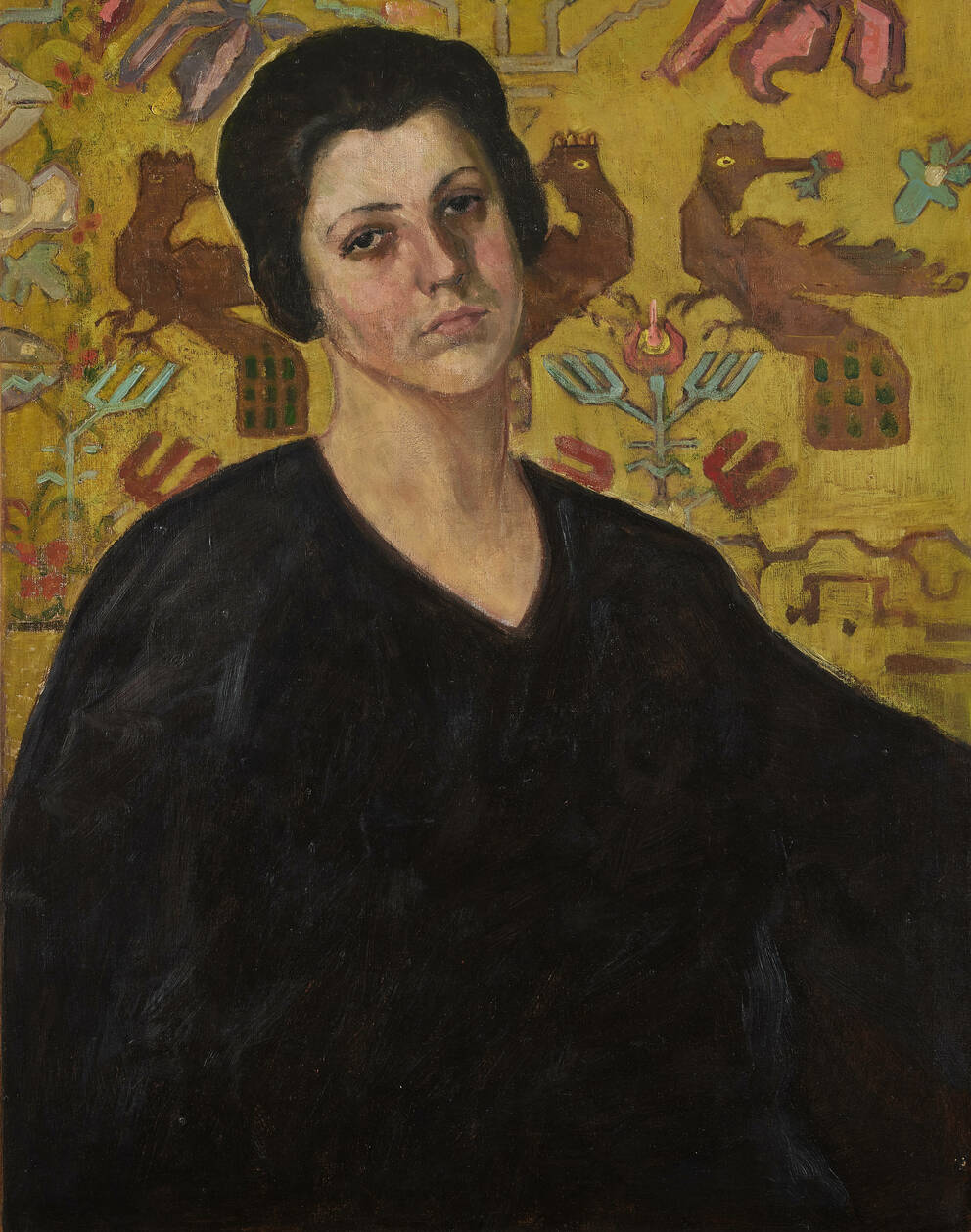
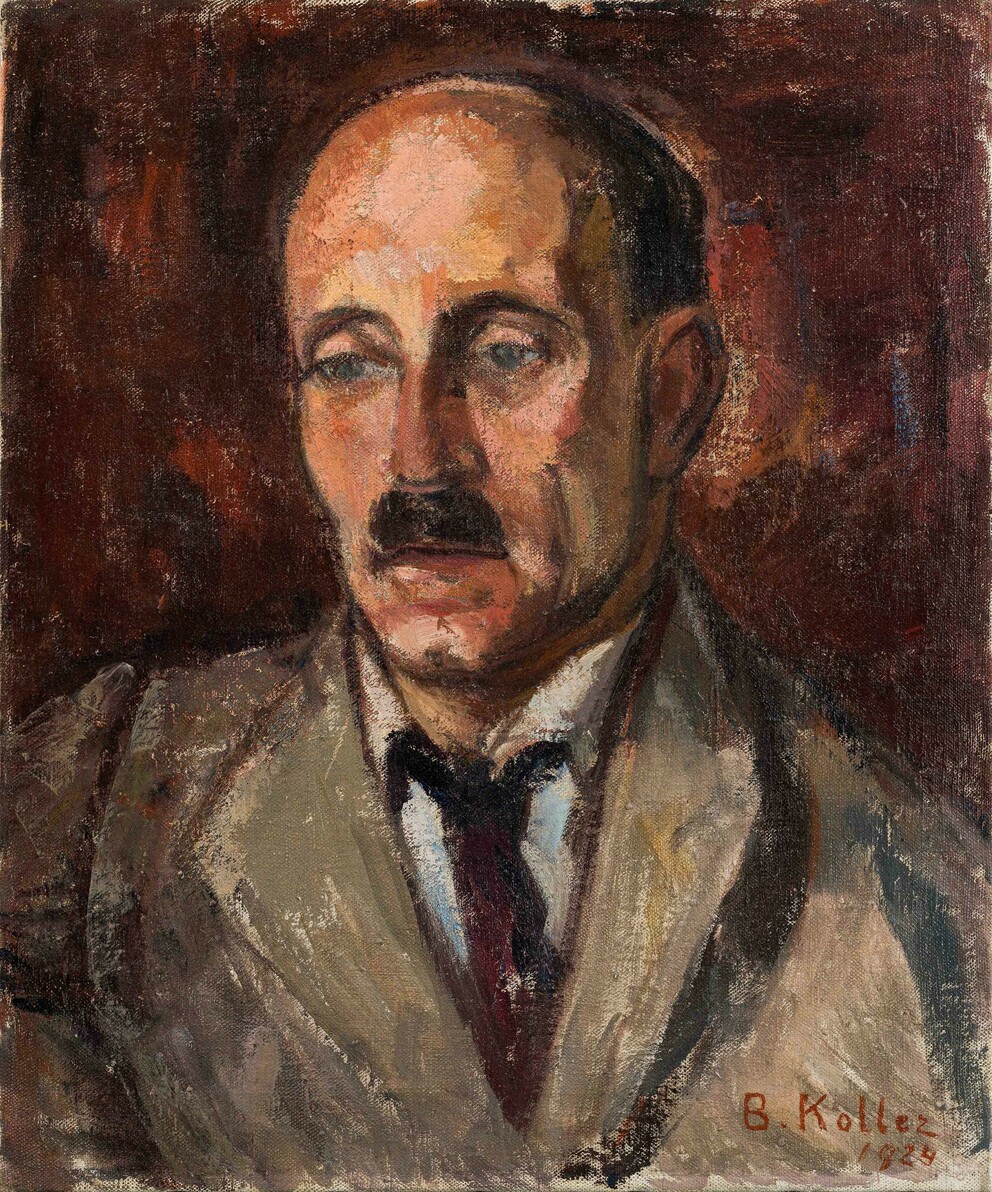
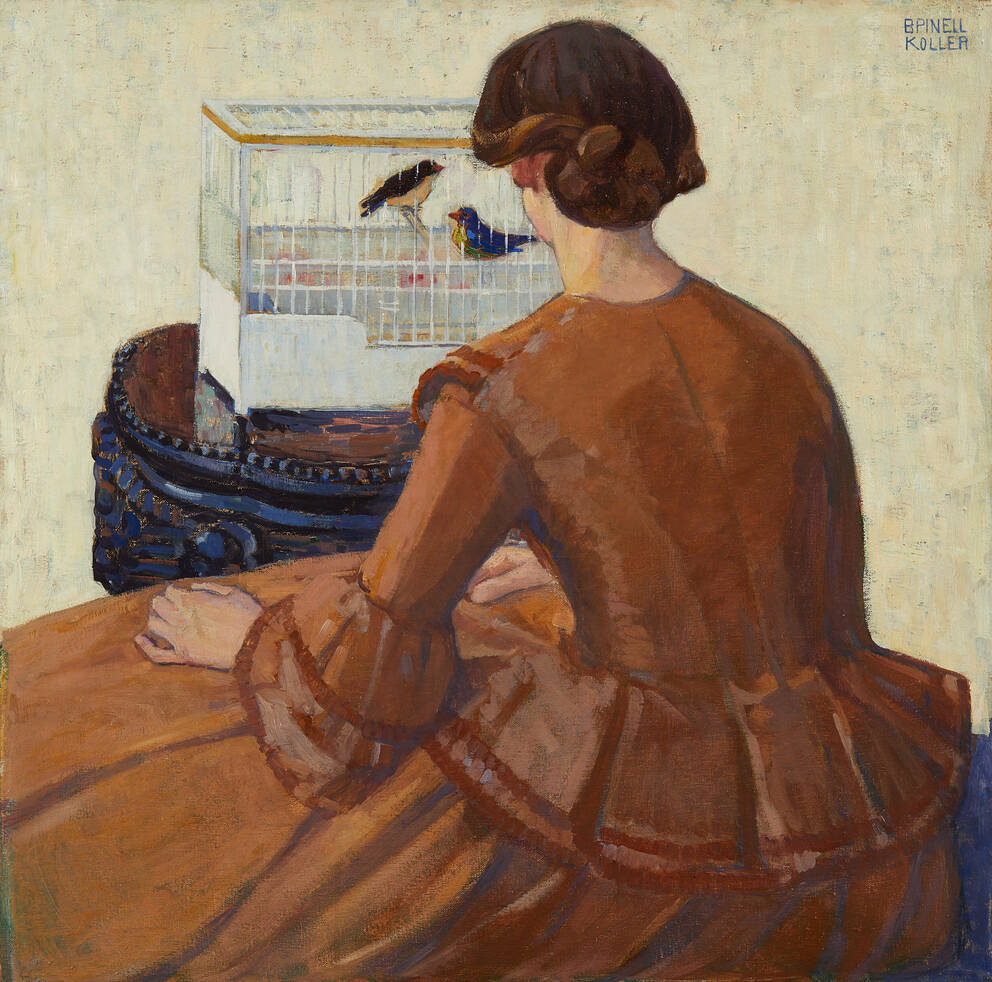
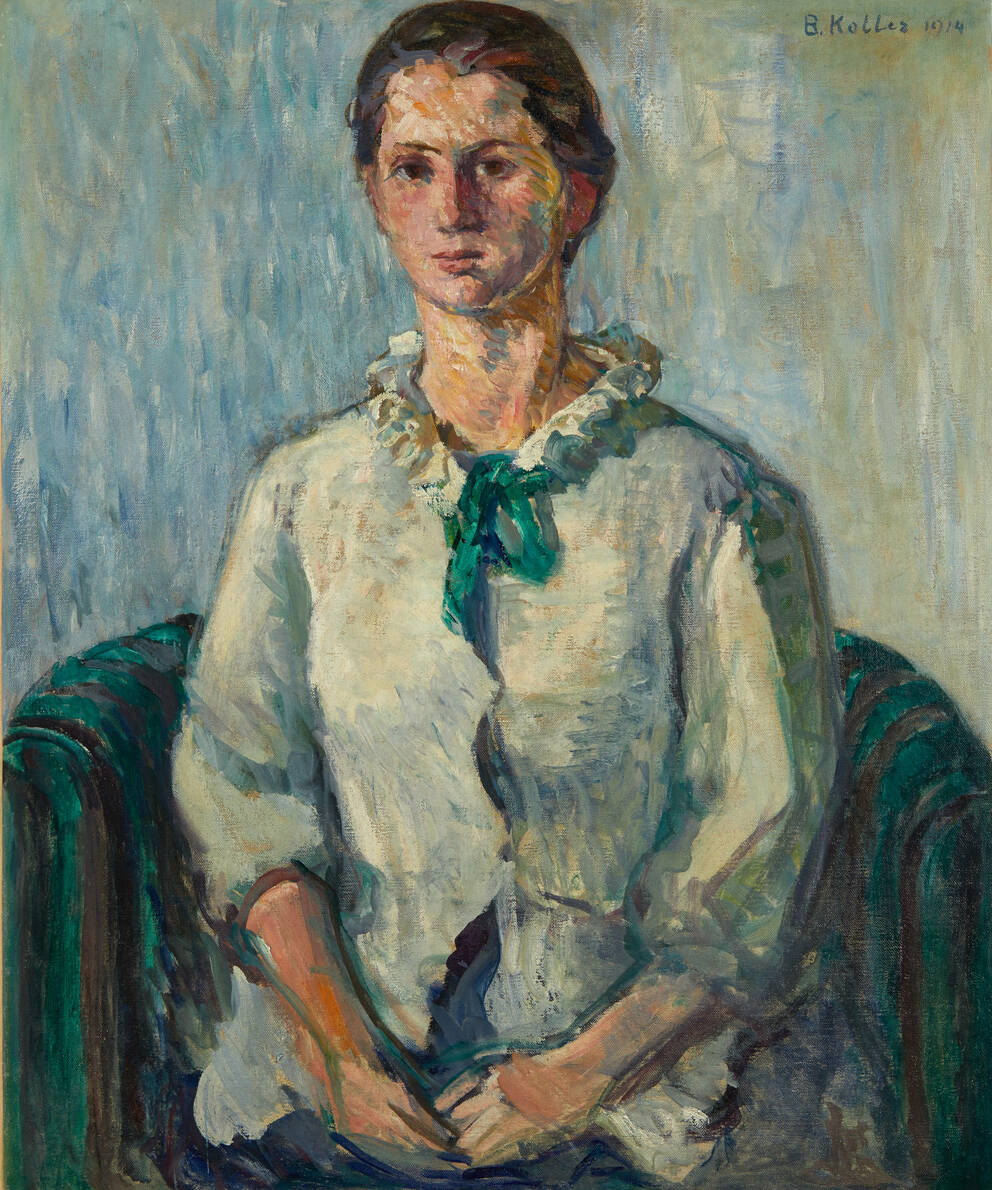
Broncia Koller-Pinell (1863−1934) is one of Austria’s most significant artists of the early 20th century. As one of the first female artists to work intensively with the medium of woodcuts from 1900, Koller-Pinell developed a modern, stylized design language. Around 1910, she developed the combination of stylistic elements of Viennese Modernism with French Impressionism that was typical of her art. In the 1920s, she finally experimented with a New Objectivity style of painting. Her independent stylistic development thus reflects the central artistic trends of the early 20th century and encompasses a wide range of subjects − from portraits and nudes to still lifes and landscape motifs.
But Broncia Koller-Pinell is also remarkable as a networker: the Viennese family residence became a meeting place and hub for the who’s who of Viennese modernism, including Sigmund Freud (1856−1939), Alma Mahler (1879−1964) and the feminist writers Lou Andreas-Salomé (1861−1937) and Rosa Mayreder (1858−1938). After completing her training at the Munich Women’s Academy under Ludwig Herterich (1856−1932), the excellently networked artist met her husband, the art- and literature-loving industrialist Hugo Koller (1867−1949), in the theo- and anthroposophical Viennese circles around Rudolf Steiner (1861−1925) and Friedrich Eckstein (1861−1939). Koller-Pinell was also well connected in artistic circles: early on, she sought artistic exchange with the Secession and Wiener Werkstätte, shared a studio with the young painter Heinrich Schröder (1881−1942) from 1906 to 1911, regularly took part in exhibitions, and was a co-founder of the Neue Secession and the Sonderbund. The Koller-Pinell couple also supported artists such as Gustav Klimt (1862−1918), Egon Schiele (1890−1918) and Robin Christian Andersen (1890−1969) through targeted purchases and commissions.
The rise of the National Socialists marked a turning point for the Jewish artist and increasingly drove her into social and artistic isolation until her early death from cancer in 1934. The first memorial exhibition, initiated by Silvia Koller (1898−1963) in 1961, triggered the rediscovery of her important oeuvre, which continues to fascinate and invite new explorations to this day.
But Broncia Koller-Pinell is also remarkable as a networker: the Viennese family residence became a meeting place and hub for the who’s who of Viennese modernism, including Sigmund Freud (1856−1939), Alma Mahler (1879−1964) and the feminist writers Lou Andreas-Salomé (1861−1937) and Rosa Mayreder (1858−1938). After completing her training at the Munich Women’s Academy under Ludwig Herterich (1856−1932), the excellently networked artist met her husband, the art- and literature-loving industrialist Hugo Koller (1867−1949), in the theo- and anthroposophical Viennese circles around Rudolf Steiner (1861−1925) and Friedrich Eckstein (1861−1939). Koller-Pinell was also well connected in artistic circles: early on, she sought artistic exchange with the Secession and Wiener Werkstätte, shared a studio with the young painter Heinrich Schröder (1881−1942) from 1906 to 1911, regularly took part in exhibitions, and was a co-founder of the Neue Secession and the Sonderbund. The Koller-Pinell couple also supported artists such as Gustav Klimt (1862−1918), Egon Schiele (1890−1918) and Robin Christian Andersen (1890−1969) through targeted purchases and commissions.
The rise of the National Socialists marked a turning point for the Jewish artist and increasingly drove her into social and artistic isolation until her early death from cancer in 1934. The first memorial exhibition, initiated by Silvia Koller (1898−1963) in 1961, triggered the rediscovery of her important oeuvre, which continues to fascinate and invite new explorations to this day.